In the world of commerce and industry, weighing platforms play a pivotal role in ensuring accurate measurements and efficient operations. As a leading provider of weighing platforms, I've witnessed firsthand the impact that high - quality equipment can have on businesses. In this blog, I'll delve into the key features that distinguish top - notch weighing platforms from the rest.
Precision and Accuracy
The cornerstone of any high - quality weighing platform is its precision and accuracy. In industries such as food processing, pharmaceuticals, and manufacturing, even the slightest deviation in weight measurement can lead to significant consequences. For instance, in the pharmaceutical sector, incorrect dosages due to inaccurate weighing can pose serious health risks to patients.
High - end weighing platforms are equipped with advanced load cells and highly sensitive sensors. These load cells are designed to convert the force exerted by the object being weighed into an electrical signal that can be accurately measured. Modern load cells are made from materials like stainless steel or aluminum, which offer excellent durability and resistance to environmental factors such as moisture and temperature changes.
The accuracy of a weighing platform is often expressed in terms of its readability and repeatability. Readability refers to the smallest increment that the scale can measure. For a high - quality weighing platform, a readability of up to 0.1 grams or even lower is achievable for smaller - capacity scales. Repeatability, on the other hand, is the ability of the scale to provide consistent results when weighing the same object multiple times. Top - tier weighing platforms boast exceptional repeatability, ensuring that businesses can rely on their measurements day in and day out.
Durability and Robustness
In industrial settings, weighing platforms are subjected to harsh working conditions, including heavy loads, frequent use, and exposure to various substances. A high - quality weighing platform must be able to withstand these challenges. Durable construction materials are key. For example, many industrial weighing platforms are made with heavy - gauge steel frames. These frames provide a solid base that can support substantial weights without deforming over time.
The platform surface itself also needs to be robust. In environments where the weighing platform may come into contact with chemicals or abrasive materials, a stainless - steel surface is often the preferred choice. Stainless steel is not only resistant to corrosion but also easy to clean, which is crucial for maintaining hygiene standards, especially in the food and beverage industry.
Moreover, a well - designed weighing platform should have features that protect it from physical damage. This can include shock - absorbing mechanisms to handle sudden impacts, and over - load protection systems that prevent the scale from being damaged when excessive weights are placed on it.
Versatility and Customizability
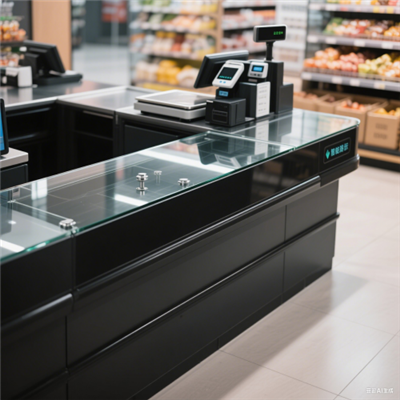
Businesses have diverse weighing needs, and a high - quality weighing platform should be able to adapt to a wide range of applications. Some weighing platforms are designed for use in a fixed location, such as a central weighing station. Central Weighing Station, available here, is an ideal solution for supermarkets or large - scale warehouses where multiple products need to be weighed in a centralized area. It can be integrated with other systems, such as barcode scanners and inventory management software, to streamline operations.
On the other hand, standalone weighing scales are more suitable for smaller operations or for use in different locations within a facility. The Standalone Weighing Scale, accessible here, offers flexibility and can be easily moved around as needed.
In addition to different form factors, high - quality weighing platforms can often be customized to meet specific requirements. This can involve adjusting the platform size, capacity, and the type of display or interface. Some weighing platforms can even be programmed to perform specific functions, such as calculating price based on weight or providing data in a particular format.
Ease of Use and User - Friendly Interface
A weighing platform is only as good as its usability. In a busy work environment, workers need to be able to operate the scale quickly and accurately. High - quality weighing platforms are designed with user - friendliness in mind. They typically feature large, easy - to - read displays that can show weight readings clearly, even in low - light conditions.
The interface should be intuitive, with simple buttons or touchscreens for easy navigation. For example, one - touch functions can be used to tare (zero the scale) or switch between different units of measurement. Some modern weighing platforms also come with graphical user interfaces (GUIs) that provide a more visual and interactive experience, making it easier for users to perform complex tasks.
Ease of maintenance is also an important aspect of usability. A well - designed weighing platform should be easy to clean, calibrate, and service. This reduces downtime and ensures that the scale remains in optimal working condition.
Connectivity and Data Management
In today's digital age, connectivity is a crucial feature for high - quality weighing platforms. Many weighing platforms can now be connected to computers, printers, or other devices via USB, Ethernet, or wireless connections such as Bluetooth or Wi - Fi. This allows for seamless data transfer, which is essential for record - keeping, inventory management, and quality control.
For example, in a manufacturing plant, data from the weighing platform can be automatically uploaded to a production database, where it can be analyzed in real - time. This data can be used to monitor production processes, identify trends, and make informed decisions. Weighing platforms can also be integrated with other software systems, such as enterprise resource planning (ERP) systems, to provide a more comprehensive view of business operations.
In addition, some weighing platforms offer built - in data storage capabilities, allowing users to store weight readings and other relevant information locally. This is useful in case of a network outage or when data needs to be accessed offline.
Safety Features
Safety is of utmost importance when it comes to weighing platforms, especially in industrial environments. High - quality weighing platforms are equipped with a variety of safety features to protect both the users and the equipment. One such feature is anti - slip surfaces on the platform. This reduces the risk of accidents, especially when workers are handling heavy or slippery objects.
Emergency stop buttons are another common safety feature. In case of an emergency, such as an over - load situation or a malfunction, the operator can quickly stop the weighing process to prevent further damage or injury. Over - load indicators are also essential, alerting the user when the weight on the platform exceeds its maximum capacity.


Regulatory Compliance
In many industries, weighing platforms need to comply with strict regulatory standards. High - quality weighing platforms are designed and manufactured to meet these requirements. For example, in the food industry, weighing platforms must comply with food safety regulations, which may include requirements for easy - to - clean surfaces and materials that are safe for contact with food.
In addition, weighing platforms used in trade applications need to meet specific legal metrology requirements. These regulations ensure that the scales are accurate and reliable, protecting both consumers and businesses. When purchasing a weighing platform, it's important to choose a product that is compliant with the relevant regulations in your industry and region.
Conclusion
As a weighing platforms supplier, I understand the importance of providing products that meet the highest standards. High - quality weighing platforms offer a combination of precision, durability, versatility, ease of use, connectivity, safety, and regulatory compliance. Whether you're in the supermarket, manufacturing, or any other industry that requires accurate weighing, investing in a top - notch weighing platform is a decision that will pay off in the long run.
If you're interested in learning more about our high - quality weighing platforms or would like to discuss your specific requirements, please don't hesitate to reach out to us. We're here to help you find the perfect weighing solution for your business.
References
- Johnson, R. (2018). The Science of Weighing in Industrial Applications. Industrial Measurement Journal.
- Smith, A. (2020). Best Practices for Selecting and Using Weighing Equipment. Business & Weighing Technology Review.