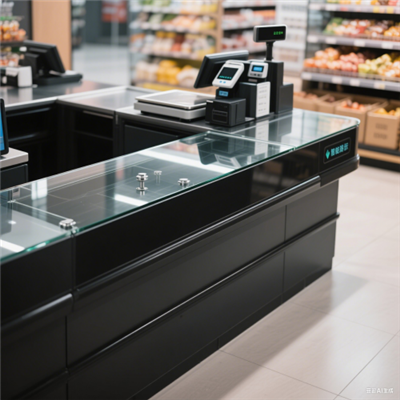
In the dynamic landscape of retail, every decision regarding store layout and equipment can significantly impact the customer experience and overall business performance. One such crucial element is the cash wrap desk. As a supplier of Cash Wrap Desk, I've witnessed firsthand the varying perspectives on its necessity in a retail store. This blog aims to explore the multifaceted aspects of having a cash wrap desk, weighing the pros and cons to help retailers make an informed decision.
The Role of a Cash Wrap Desk in Retail
A cash wrap desk, also known as a checkout counter, serves as the focal point where transactions take place. It's not just a physical structure for processing payments; it's a critical touchpoint in the customer journey. When customers reach the cash wrap desk, they've completed their shopping and are ready to finalize their purchases. This is the last interaction they have with the store, and it can leave a lasting impression.
One of the primary functions of a cash wrap desk is to facilitate efficient transactions. It provides a dedicated space for cashiers to operate the point-of-sale (POS) system, scan items, and handle payments. A well-designed cash wrap desk can streamline the checkout process, reducing waiting times and improving customer satisfaction. For example, a cash wrap desk with multiple lanes can accommodate more customers simultaneously, minimizing queues and ensuring a smooth flow of traffic.
In addition to transaction processing, a cash wrap desk can also serve as a display area for impulse purchases. Retailers often place small, high-margin items such as snacks, magazines, and accessories near the cash wrap to encourage customers to make additional purchases while they wait in line. This can significantly boost the store's average transaction value and overall revenue.
Advantages of Having a Cash Wrap Desk
Enhanced Customer Experience
A well-designed cash wrap desk can enhance the overall customer experience in several ways. Firstly, it provides a clear and organized space for customers to complete their transactions. This reduces confusion and frustration, making the checkout process more pleasant. Secondly, a cash wrap desk can create a sense of security for customers. By having a dedicated area for transactions, customers feel more confident that their personal information and payments are being handled securely.
Improved Operational Efficiency
From an operational perspective, a cash wrap desk can improve efficiency in the store. It allows cashiers to work more effectively, as they have a designated workspace with all the necessary equipment and tools. This can lead to faster transaction times and fewer errors. Additionally, a cash wrap desk can help manage inventory more effectively. By having a central location for transactions, it's easier to track sales and monitor stock levels.
Branding and Image
A cash wrap desk can also play a role in branding and image. It's often one of the first things customers see when they enter the store, and it can set the tone for the entire shopping experience. A well-designed cash wrap desk that reflects the store's brand identity can create a positive impression and enhance the store's overall image. For example, a high-end boutique might have a sleek and modern cash wrap desk, while a discount store might opt for a more functional and utilitarian design.


Disadvantages of Having a Cash Wrap Desk
Space Constraints
One of the main disadvantages of having a cash wrap desk is the space it requires. In smaller retail stores, a cash wrap desk can take up a significant amount of valuable floor space, which could otherwise be used for product displays or additional inventory. This can limit the store's ability to showcase its products and may result in a less appealing shopping environment.
Cost
Another potential drawback is the cost associated with purchasing and maintaining a cash wrap desk. High-quality cash wrap desks can be expensive, especially if they are customized to meet the specific needs of the store. In addition to the initial purchase cost, there are also ongoing maintenance and repair expenses to consider.
Staffing Requirements
A cash wrap desk requires trained staff to operate it effectively. This means that retailers need to invest in training and hiring cashiers, which can add to the overall cost of running the store. Additionally, if there are not enough cashiers available during peak hours, it can lead to long queues and frustrated customers.
Alternatives to a Traditional Cash Wrap Desk
In recent years, there has been a growing trend towards alternative checkout solutions in the retail industry. One such alternative is self-checkout kiosks. Self-checkout kiosks allow customers to scan and pay for their items themselves, without the need for a cashier. This can reduce the need for a traditional cash wrap desk and free up staff to focus on other tasks, such as customer service and product assistance.
Another alternative is mobile payment solutions. With the increasing popularity of smartphones, many retailers are now offering mobile payment options, such as Apple Pay and Google Pay. Customers can simply use their phones to pay for their purchases, eliminating the need for a physical cash wrap desk altogether.
Conclusion
In conclusion, the decision of whether or not to have a cash wrap desk in a retail store depends on a variety of factors, including the size of the store, the type of products sold, and the target customer demographic. While a cash wrap desk can offer several advantages, such as enhanced customer experience, improved operational efficiency, and branding opportunities, it also comes with some drawbacks, such as space constraints, cost, and staffing requirements.
As a Cash Wrap Desk supplier, I understand the importance of finding the right solution for each retailer. Whether you choose to invest in a traditional cash wrap desk, explore alternative checkout solutions, or a combination of both, it's essential to consider the unique needs and goals of your business.
If you're interested in learning more about our Cash Wrap Desk products or discussing your specific requirements, please don't hesitate to contact us. We're here to help you make the best decision for your retail store.
References
- Kotler, P., & Armstrong, G. (2018). Principles of Marketing. Pearson.
- Levy, M., & Weitz, B. A. (2019). Retailing Management. McGraw-Hill Education.