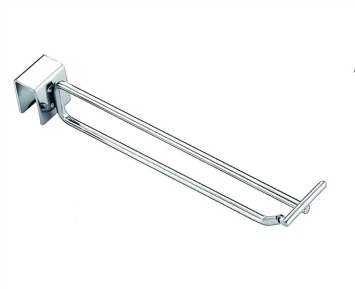
Surface treatment plays a crucial role in enhancing the corrosion resistance of various metal products, and the Diameter-based Hook is no exception. As a dedicated supplier of Diameter-based Hooks, I have witnessed firsthand how different surface treatments can significantly impact the performance and longevity of these essential items. In this blog, I will delve into the relationship between surface treatment and the corrosion resistance of Diameter-based Hooks, exploring the various methods available and their effectiveness.


Understanding Corrosion in Diameter-based Hooks
Before we discuss how surface treatment affects corrosion resistance, it's important to understand what corrosion is and why it's a concern for Diameter-based Hooks. Corrosion is a natural process that occurs when metals react with their environment, typically oxygen and water. This reaction leads to the formation of metal oxides, which can weaken the metal structure over time. For Diameter-based Hooks, which are often used in harsh environments such as warehouses, supermarkets, and industrial settings, corrosion can compromise their strength and functionality, leading to safety hazards and costly replacements.
Types of Surface Treatments for Diameter-based Hooks
There are several surface treatment methods available for Diameter-based Hooks, each with its own advantages and disadvantages. The choice of treatment depends on factors such as the intended use of the hooks, the environment in which they will be used, and the budget. Here are some of the most common surface treatments:
Galvanization
Galvanization is a widely used surface treatment method that involves coating the hook with a layer of zinc. Zinc is a sacrificial metal, which means it corrodes preferentially to the base metal (usually steel). When the zinc coating is damaged, it forms a protective layer of zinc oxide, which prevents further corrosion of the underlying steel. Galvanized Diameter-based Hooks are highly resistant to rust and corrosion, making them suitable for outdoor and wet environments. They are also relatively inexpensive and easy to produce, making them a popular choice for many applications.
Powder Coating
Powder coating is a process in which a dry powder is applied to the surface of the hook and then heated to form a hard, durable finish. The powder can be made from a variety of materials, including epoxy, polyester, and acrylic, and can be formulated to provide different levels of corrosion resistance. Powder-coated Diameter-based Hooks offer excellent protection against corrosion, as well as a smooth, attractive finish. They are also resistant to chipping, scratching, and fading, making them ideal for applications where appearance is important.
Electroplating
Electroplating is a process in which a thin layer of metal is deposited onto the surface of the hook using an electric current. The most common metals used for electroplating are nickel, chrome, and copper. Electroplated Diameter-based Hooks offer excellent corrosion resistance, as well as a shiny, decorative finish. They are also resistant to wear and tear, making them suitable for high-traffic areas. However, electroplating can be expensive and time-consuming, and the process requires specialized equipment and expertise.
Painting
Painting is a simple and cost-effective way to protect Diameter-based Hooks from corrosion. The paint acts as a barrier between the metal and the environment, preventing oxygen and water from reaching the surface of the hook. There are many different types of paint available, each with its own properties and applications. For example, epoxy paints are highly resistant to chemicals and abrasion, while acrylic paints offer good UV resistance. However, painting may not provide as long-lasting protection as other surface treatment methods, and the paint may need to be reapplied periodically.
How Surface Treatment Affects Corrosion Resistance
The effectiveness of a surface treatment in preventing corrosion depends on several factors, including the type of treatment, the thickness of the coating, and the quality of the application. Here's how each of the above surface treatments affects the corrosion resistance of Diameter-based Hooks:
Galvanization
Galvanized Diameter-based Hooks offer excellent corrosion resistance due to the sacrificial nature of the zinc coating. The zinc layer acts as a barrier between the steel and the environment, and when it corrodes, it forms a protective layer of zinc oxide that prevents further corrosion of the underlying steel. The thickness of the zinc coating is an important factor in determining the corrosion resistance of the hook. A thicker coating will provide longer-lasting protection, but it will also increase the cost of the hook.
Powder Coating
Powder-coated Diameter-based Hooks offer good corrosion resistance due to the hard, durable finish provided by the powder coating. The powder coating acts as a barrier between the metal and the environment, preventing oxygen and water from reaching the surface of the hook. The thickness of the powder coating is also an important factor in determining the corrosion resistance of the hook. A thicker coating will provide better protection, but it may also affect the appearance of the hook.
Electroplating
Electroplated Diameter-based Hooks offer excellent corrosion resistance due to the thin layer of metal deposited onto the surface of the hook. The metal layer acts as a barrier between the steel and the environment, preventing oxygen and water from reaching the surface of the hook. The type of metal used for electroplating also affects the corrosion resistance of the hook. For example, nickel-plated hooks are more resistant to corrosion than copper-plated hooks.
Painting
Painted Diameter-based Hooks offer some protection against corrosion, but the effectiveness of the paint depends on the type of paint used and the quality of the application. A high-quality paint that is properly applied will provide better protection than a low-quality paint that is poorly applied. The thickness of the paint layer is also an important factor in determining the corrosion resistance of the hook. A thicker layer of paint will provide better protection, but it may also affect the appearance of the hook.
Choosing the Right Surface Treatment for Your Diameter-based Hooks
When choosing a surface treatment for your Diameter-based Hooks, it's important to consider the intended use of the hooks, the environment in which they will be used, and the budget. Here are some tips to help you choose the right surface treatment:
Consider the Environment
If the hooks will be used in a wet or outdoor environment, galvanization or powder coating may be the best choice. These treatments offer excellent corrosion resistance and are suitable for harsh environments. If the hooks will be used in a dry or indoor environment, painting may be a more cost-effective option.
Consider the Intended Use
If the hooks will be used to hang heavy objects, electroplating or powder coating may be the best choice. These treatments offer excellent wear resistance and are suitable for high-traffic areas. If the hooks will be used for decorative purposes, painting or powder coating may be a more aesthetically pleasing option.
Consider the Budget
Galvanization and electroplating are generally more expensive than painting and powder coating. If budget is a concern, painting or powder coating may be the best choice. However, it's important to remember that a higher-quality surface treatment may save you money in the long run by reducing the need for frequent replacements.
Conclusion
In conclusion, surface treatment plays a crucial role in enhancing the corrosion resistance of Diameter-based Hooks. By choosing the right surface treatment, you can ensure that your hooks will last longer, perform better, and provide a safer and more reliable solution for your needs. As a supplier of Diameter-based Hooks, I am committed to providing high-quality products that are treated with the latest surface treatment technologies. If you are interested in learning more about our products or would like to discuss your specific requirements, please [contact us for procurement and negotiation]. We look forward to hearing from you!
References
- Jones, D. A. (1992). Principles and Prevention of Corrosion. Prentice Hall.
- Uhlig, H. H., & Revie, R. W. (1985). Corrosion and Corrosion Control. Wiley.
- Fontana, M. G. (1986). Corrosion Engineering. McGraw-Hill.